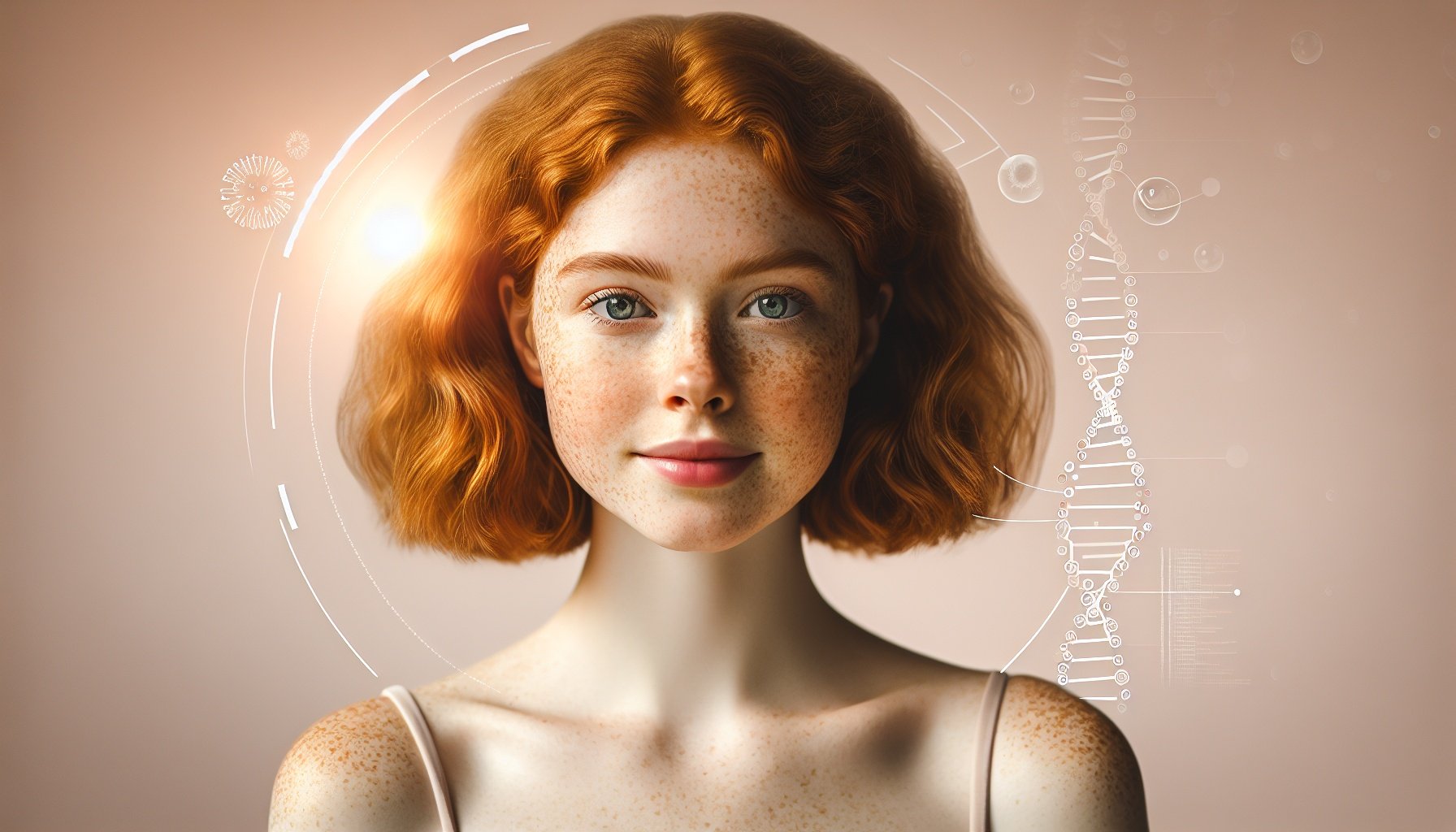
Freckles are like nature’s confetti—adorable, unpredictable, and sometimes totally confusing. One minute you’ve got a few faint specks, and after a “quick” coffee run in the sun, boom: full ginger galaxy across your nose. Maybe you’ve wondered why your freckles darken in July, fade in January, or pop up even when you swear you wore sunscreen. Or why your non-redhead friend tans while you collect more spots like it’s your full-time job.
It can be frustrating not knowing what’s actually happening under your skin—especially when you’re doing “all the right things” and still freckling fast. You might worry if your freckles mean you’re getting too much sun, or if certain patches are normal on your face, shoulders, and arms. Maybe you’ve noticed your freckles changing with age, hormones, or new meds and felt a little freaked out. It’s hard to feel confident when you don’t understand why your skin reacts so differently from everyone else’s.
Understanding the science behind freckles—melanin, the MC1R redhead gene, UV light, and all those sneaky triggers—turns the mystery into something you can actually manage. Once you know why some redheads freckle more than others, why spots cluster in certain areas, and why seasons and hormones shift your speckled pattern, it starts to feel a lot less random. Instead of worrying, you can choose smarter sun habits and embrace what makes your ginger skin unique. Let’s dive into what’s really causing those cute little spots to appear, disappear, and change with your life.
Quick Navigation:
The Science Behind Those Ginger Spots | Why Some Redheads Freckle More Than Others
The Science Behind Those Ginger Spots
So now that we’ve established freckles aren’t just being dramatic for no reason, let’s peek at what your skin is actually doing behind the scenes. Those tiny spots are basically your pigment cells reacting to sunlight, genetics, and even the way your skin is “wired” from birth. Think of it as your own built‑in pattern, not a random glitch. In this section, we’ll break down the science of cells, pigment, and genes that create those ginger spots in the first place.
Melanin, MC1R & the Redhead Gene: Why Our Skin Reacts Differently
Blame (and thank) melanin and the MC1R gene for our speckled ginger glory. MC1R works like a switch that decides which type of melanin you make: dark brown eumelanin or reddish-yellow pheomelanin. Many redheads have MC1R variants that favor pheomelanin, which offers less natural UV protection. So instead of building an even tan, our skin sends melanin into tiny “freckle clusters” when UV hits. That’s why the same sun can give your brunette friend a glow while your nose erupts in spots.
How UV Light Triggers Freckles (Even on Cloudy Days)
UV light is like a secret signal to your pigment cells, even when the sky looks harmlessly gray. UVA and UVB rays slip through clouds and tell your melanocytes, “Time to defend!” Instead of spreading pigment evenly into a tan, redhead skin often drops melanin into tiny “emergency” clusters—hello, new freckles. That’s why you can step out on an overcast day, skip sunscreen, and still notice extra spots popping up across your nose and shoulders a week later.
Why Freckles Darken in Summer and Fade in Winter
Think of your freckles like mood rings for UV levels: in summer, longer days and stronger sun keep your melanocytes on high alert, pumping extra pigment into those little clusters, so spots look darker and more numerous. In winter, UV intensity drops, you’re covered up more, and your skin’s natural cell turnover slowly shuffles that pigment away, so freckles soften or almost disappear. That’s why your “constellation map” can look bold in July and barely there by January.
Why Some Redheads Freckle More Than Others
So we’ve talked about what freckles *do* on your skin—now let’s talk about why your freckle pattern might look totally different from your ginger bestie’s. Even among redheads, there’s a whole mix of MC1R gene variants, skin undertones, and family traits that decide whether you get a light dusting, all-over speckles, or almost none at all. Add in how much sun you actually get and where you live, and it becomes way more personal—so let’s break down what really makes some redheads freckle more than others.
Genetic Mix & Skin Type: Not All Redheads Freckle the Same Way
Some gingers are covered in tiny “constellation” freckles, while others just get a light dusting across the nose, and a few hardly freckle at all—and that’s all about your unique genetic mix and skin type. Different versions of the MC1R gene (plus friends like ASIP and TYR) change how your pigment cells respond to UV. Add in skin thickness and oiliness, and you get totally different outcomes: one redhead freckles instantly, another burns, and another slowly tans with just a few scattered spots.
Face, Shoulders, and Beyond: Why Freckles Cluster in Certain Spots
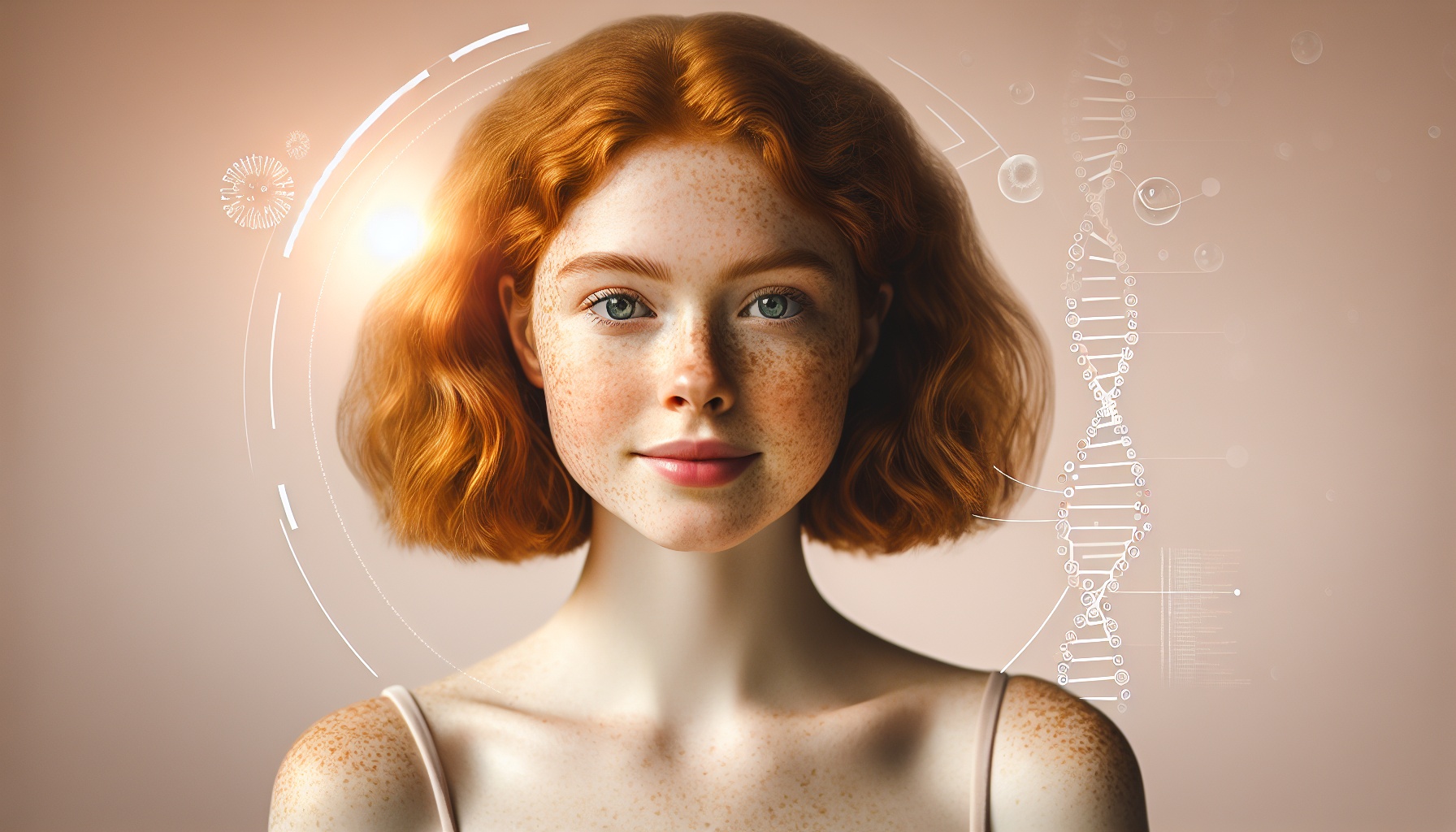
Freckles love real estate with maximum sun exposure and lots of blood flow—hello, face, shoulders, and upper back. Your nose, cheekbones, and forehead stick out literally, so UV hits them first, triggering those melanin “polka dots.” Shoulders and collarbones catch stray rays even when you think you’re covered. Plus, skin is thinner in these areas, so pigment changes show up more clearly. That’s why you might have a bare belly but a freckle galaxy across your face and shoulders.
Hormones, Age & Lifestyle: Subtle Factors That Change Your Freckle Pattern
Your freckle map isn’t fixed—hormones, age, and habits quietly remix it over time. Puberty, pregnancy, and birth control can all make freckles pop more intensely because shifting hormones change how your skin reacts to UV. As you get older, classic childhood freckles may fade while “sun freckles” or age spots show up on those already-exposed zones. Lifestyle matters too: runners, cyclists, beach lovers, and outdoor workers often notice new speckles blooming along their usual sun-facing side.
Conclusion
So those “mood ring” freckles of yours aren’t random at all—they’re science. Your genes decide how your pigment cells are wired, the sun flips the “on” switch, and that’s why you freckle while your non-ginger friend just tans. They’ll pop in July, chill in January, and follow the same built‑in pattern year after year. Instead of fighting them, learn your skin, wear your SPF, and let those cute ginger spots be your favorite natural accessory.