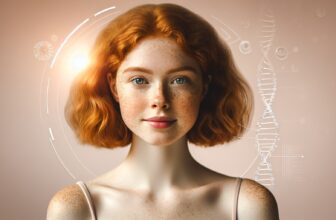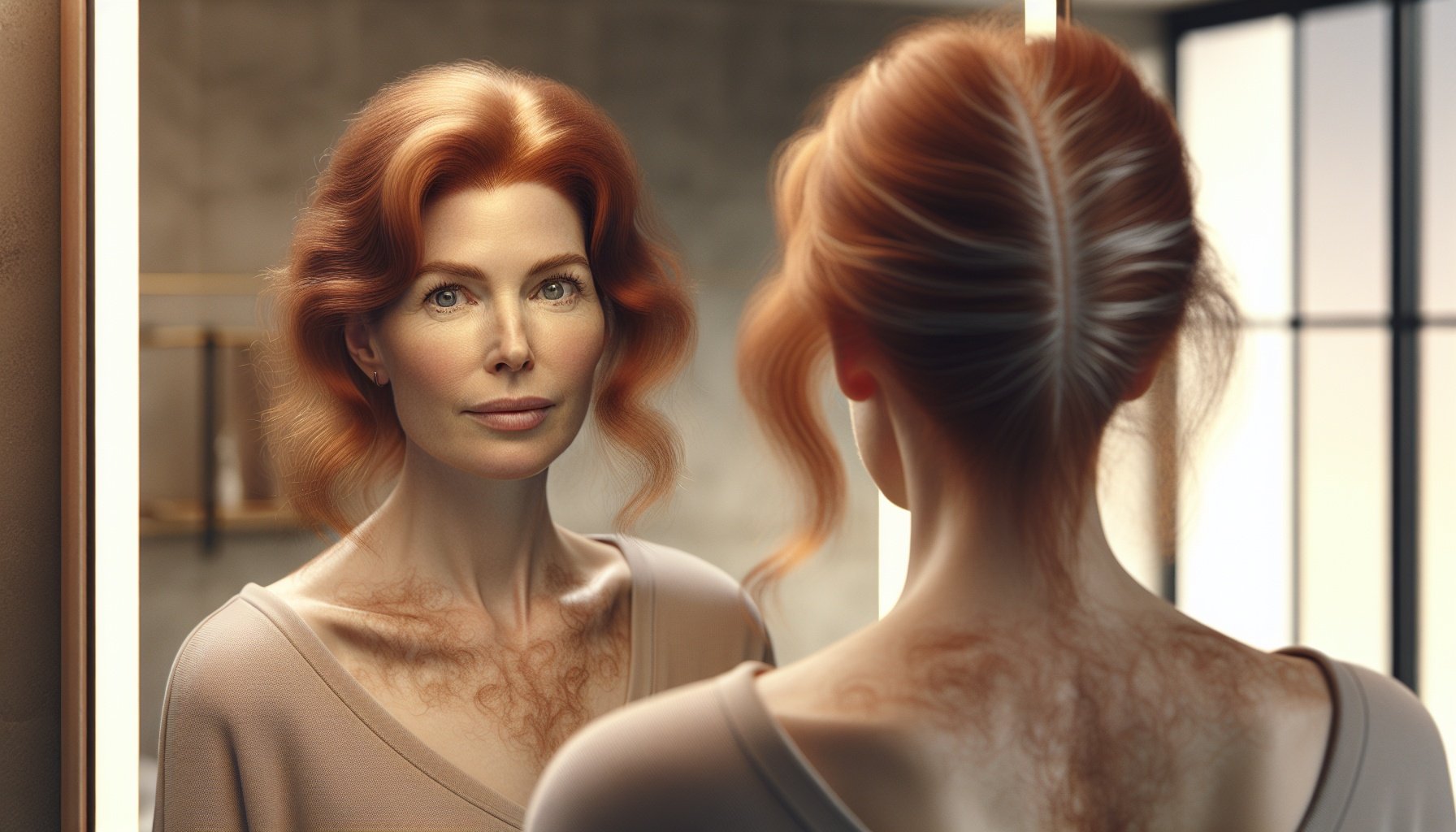
Redheads don’t just wonder *if* they’ll go grey – we wonder *how* on earth this rare, fiery hair actually ages. Maybe you’ve spotted a pale strand at your temple and thought, “Is that blonde, white, or the world’s rudest lighting?” Or you’ve heard the myth that gingers “don’t go grey, they just fade” and secretly worried what that really means for your once-copper crown. When your hair is tied to your identity, every tiny color shift can feel like a full-on existential crisis in the bathroom mirror.
Quick Navigation:
1. The Science Behind Red Hair and Aging | 2. Do Redheads Really Go Grey? What Actually Happens | 3. Spotting the First Signs: How Greying Looks on Red Hair | 4. Embracing (or Managing) the Change as a Redhead | Frequently Asked Questions
The frustrating part is that most advice about greying hair is aimed at brunettes and blondes, not those of us with MC1R-powered ginger genes. You might notice your childhood auburn slowly softening into a strawberry blonde and wonder if that’s normal or a sign you’re aging faster than your friends. Maybe your roots look lighter, your ends look duller, and the overall effect feels less “vibrant fox” and more “faded penny.” And if you’ve seen older redheads with shock-white or silvery hair, you might be confused about whether that’s what’s coming for you too.
All of this confusion makes it harder to decide what to actually do with your hair as you age: embrace the natural fade, reach for the dye, or just hope the science fairy drops answers in your lap. Understanding how pigment cells change over time – and why red behaves so differently from brown, black, or blonde – can turn that anxiety into curiosity. Once you know what’s typical for ginger hair, those mysterious white or rose-gold strands feel a lot less scary and a lot more predictable. From the science of the MC1R gene to real-life timelines and styling strategies, let’s unpack what *really* happens when redheads “go grey.”
1. The Science Behind Red Hair and Aging
So now that we’ve calmed the “am I going grey or turning into a faded penny?” panic, let’s zoom in on what’s actually happening at the follicle level. Red hair isn’t just a color; it’s a whole different chemistry set. Your strands are packed with pheomelanin, a pigment that behaves differently from the darker eumelanin in brunettes and black hair. On top of that, aging changes how your follicles produce pigment, how fast your hair grows, and even how light reflects off each strand. To really decode what redheads do instead of “just going grey,” we need to break down the science step by step.
How the MC1R gene makes red hair different from the start
MC1R is basically the traffic light for your pigment cells—and in redheads, it’s permanently stuck on “copper.” In most people, MC1R tells cells to make eumelanin, the brown/black pigment that dominates brunette and black hair. But common redhead variants of MC1R scramble that signal, so your follicles default to making pheomelanin instead—the reddish-gold pigment that gives ginger hair its trademark glow.
This difference matters for aging because pheomelanin is chemically less stable and more reactive to light and oxidative stress. That’s one reason red hair can gently “sun-fade” to softer shades before obvious grey appears. It also explains why two redheads with different MC1R variants can age in totally different ways—one going peachy-strawberry, the other jumping straight to ice-white.
What actually happens to hair pigment cells as we age
Inside each hair follicle, tiny pigment factories called melanocytes slowly get tired with age. They don’t usually shut off overnight—it’s more like a dimmer switch than a light switch. With every new hair growth cycle, fewer melanocytes show up for work, and the ones that do produce less pigment each time. On top of that, oxidative stress—especially from UV light—creates damage that these cells become worse at repairing. For redheads, whose pheomelanin is already more fragile, that stress hits harder. The result? Your fiery strands may first shift to a lighter copper, then strawberry blonde or golden, before those melanocytes retire almost completely and hairs grow in cream, white, or silvery instead of classic “grey.”
Why red hair fades differently than brunette, blonde, and black hair
Here’s where redheads really break the rules. Brunette and black hair are loaded with eumelanin, a tough, brown-black pigment that’s relatively stable, so when it fades, it tends to shift evenly toward gray and then white. Blonde hair starts with less pigment overall, so the “dimming” is subtle and often just looks like natural lightening. Red hair, though, is dominated by pheomelanin, which not only breaks down faster but also oxidizes into warmer, golden and apricot tones before disappearing. That’s why a fiery auburn can soften into strawberry blonde or a peachy white instead of a stark salt-and-pepper mix. In mixed-shade heads (red plus brown), you’ll often see brown strands go gray while the red ones simply fade to a soft copper glow.
2. Do Redheads Really Go Grey? What Actually Happens
So now that we know *why* red hair is different on a genetic level, it’s time to tackle the question every ginger secretly Googles at 2 a.m.: do redheads actually go grey at all, or do we just… fade out? Spoiler: our hair doesn’t follow the “turn brown, then grey” script you see in most magazines. Instead, redheads tend to move through a few very specific stages as pigment production slows. Think of it as a color shift rather than a color swap, and how fast (or dramatically) it happens depends on factors like age, genetics, and even sun exposure, which we’ll break down next.
From fiery copper to strawberry blonde: the typical redhead color timeline
Most natural redheads don’t jump straight from flame to silver; we fade through a whole warm-toned spectrum. In childhood and teens, pheomelanin is at its loudest: bright copper, auburn, or ginger that almost glows in the sun. In your 20s and 30s, follicles usually dial back the pigment output just a bit, so many gingers notice softer copper or more golden tones—especially around the edges and underlayers. By the 40s and 50s, a lot of us shift into that “strawberry blonde” or light ginger-blonde phase: less saturated red, more champagne and honey woven through. Instead of turning gray first, we often look like we’ve naturally highlighted our hair, with scattered white strands sneaking in only later.
Why many redheads turn white or silvery instead of classic grey
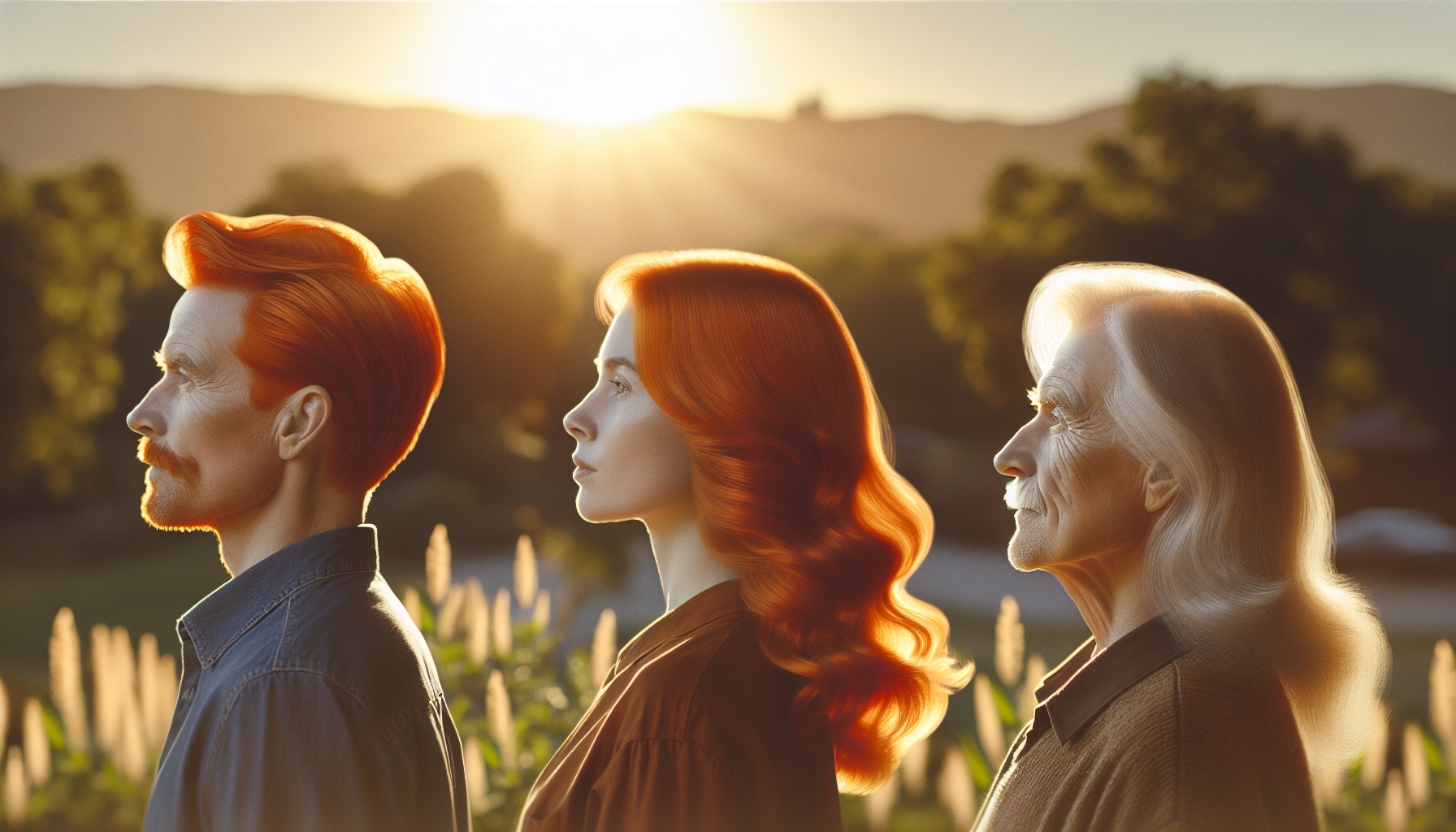
Because red hair starts out with very little eumelanin (the brown/black pigment), there isn’t much “dark base” for gray to appear against as we age. When pigment cells in the follicle slow down, redheads don’t shift from brown to peppery salt-and-pepper—they go from warm pheomelanin to…almost nothing. That “nothing” looks white or silvery, especially in bright light.
Think of it like a watercolor painting fading, not a charcoal sketch turning gray. As the last traces of ginger and strawberry blonde wash out, what’s left is the natural keratin of the hair shaft, which is naturally pale. That’s why many older redheads look like they’ve chosen an expensive icy-blonde or soft silver dye job, even if they’ve never touched a color bottle in their life.
Factors that can speed up or slow down greying in redheads (genes, health, lifestyle)
So what makes one redhead go snowy white at 40 while another is still coppery at 70? Genetics is the big boss here: different versions of the MC1R gene (our famous “redhead gene”) and other pigment genes control how long your follicles keep making pheomelanin. But health and lifestyle can nudge the timeline. Chronic stress, smoking, and nutrient deficiencies (especially B12, folate, copper, and iron) can damage pigment-producing cells and speed up that fade from auburn to ivory. On the flip side, good sleep, a balanced diet, not smoking, and protecting hair and scalp from UV damage can help pigment hang around longer—so that soft strawberry-blonde stage may stick with you for years instead of months.
3. Spotting the First Signs: How Greying Looks on Red Hair
Now that we’ve peeked behind the scenes at what’s happening inside your follicles, let’s talk about what you’ll actually *see* in the mirror. Spoiler: redheads almost never wake up one day with a solid white streak like a cartoon character. Instead, the shift is sneaky. Copper can soften into strawberry-blonde, individual strands can look oddly beige or translucent, and your overall shade may seem “faded” in certain lighting long before a true silver hair shows up. Understanding these visual clues helps you tell normal color evolution from genuine greying—so let’s break down what those first signs really look like on ginger hair.
Subtle shifts: when red starts looking more ‘rose gold’ or ginger-blonde
One of the earliest giveaways redheads notice isn’t a random white strand—it’s that their signature copper starts looking softer and lighter, almost like built‑in balayage. As eumelanin fades and pheomelanin (the red pigment) thins out, more of your hair’s underlying yellow tones show through. That’s when a deep auburn can drift into a “rose gold” shimmer in bright light, or a fiery copper starts reading as ginger‑blonde around the face and ends. You might spot this most in baby hairs at your hairline, where sun hits first, or in older, more weathered lengths that look honeyed rather than hot‑red. If friends ask whether you’ve gone blonder—even though you haven’t touched dye—you’re likely seeing this first subtle stage of greying in action.
Where greys and whites usually show up first on redheads
On most natural redheads, those first true greys and whites tend to sneak in at predictable “high‑traffic” zones. The temples are classic: short, fine hairs here cycle faster, so you’ll often spot a shimmer of silver when you pull your hair back into a ponytail or slick it under a cap. Next up is the part line—especially if you’ve worn the same part for years. That area gets more sun and mechanical stress (brushing, styling), so pigment cells tap out sooner. Many gingers also notice wiry white threads popping up around the crown, where hair rubs against pillows and hats. Beard, brows, and sideburns on redheaded guys follow a similar pattern, with random bright white strands appearing well before the rest of the hair looks “grey.”
How texture and thickness changes can make greys more noticeable
Even before a strand goes fully white, the way it feels can give the game away. As pigment cells wind down, the hair shaft often grows in a bit drier, stiffer, and slightly thicker. On a head full of soft copper, that one wiry piece at your temple suddenly stands up and catches the light like a tiny fiber‑optic cable. Greys also tend to lose the natural bend or wave many redheads have, so they can stick straight out from the part or crown, making them look brighter than they actually are. Run your fingers along your hairline or part: if you notice random coarse, springy strands that don’t match your usual texture, you’re likely feeling early greys before you truly see them.
4. Embracing (or Managing) the Change as a Redhead
So now that we know what’s happening inside the follicle, let’s talk about what you can actually *do* with that changing red. The science explains the “why,” but your day-to-day reality is all about how you style it, protect it, and feel about it. Some redheads want to celebrate every new golden, copper, or silvery strand; others prefer to tweak or delay visible changes with smart haircare, color choices, and lifestyle habits. This section will walk through practical ways to embrace, enhance, or gently manage your evolving ginger shade—from salon strategies to confidence-boosting mindset shifts.
Styling tips to blend early greys with natural ginger tones
When those first cool-toned strands pop up against warm copper, think “blending,” not “battle.” Ask your colorist for very fine, scattered highlights in soft, warm beige or champagne instead of a full-on dye job—this mimics the way red hair naturally lightens and helps early greys disappear into the overall mix. At home, use a semi-permanent copper or strawberry-blonde gloss every few weeks to gently warm up the faded pieces without fully covering the lighter strands. Styling helps too: waves, curls, and textured braids break up contrast so individual greys are less obvious than in pin-straight hair. A side part or messy fringe can also redirect where those first sparkly strands catch the light, turning them into dimension rather than “problem areas.”
When to let it go natural vs. when color touch-ups make sense
Think of your changing red as a spectrum, not an on/off switch. Let it go natural when the shift is even and flattering—like a soft rose-gold fade at the temples or a subtle strawberry turning lighter overall. If your skin tone still looks bright, your brows haven’t gone stark, and you like what you see in natural daylight, you probably don’t *need* color, just good care and a great cut.
Touch-ups make more sense when the change is patchy or throws off your contrast—say, a solid silver streak right at the part while the rest stays deep copper. That’s when targeted root blending, a sheer gloss, or a scattered highlight session every 8–12 weeks can keep everything looking intentionally “sunlit,” not accidental.
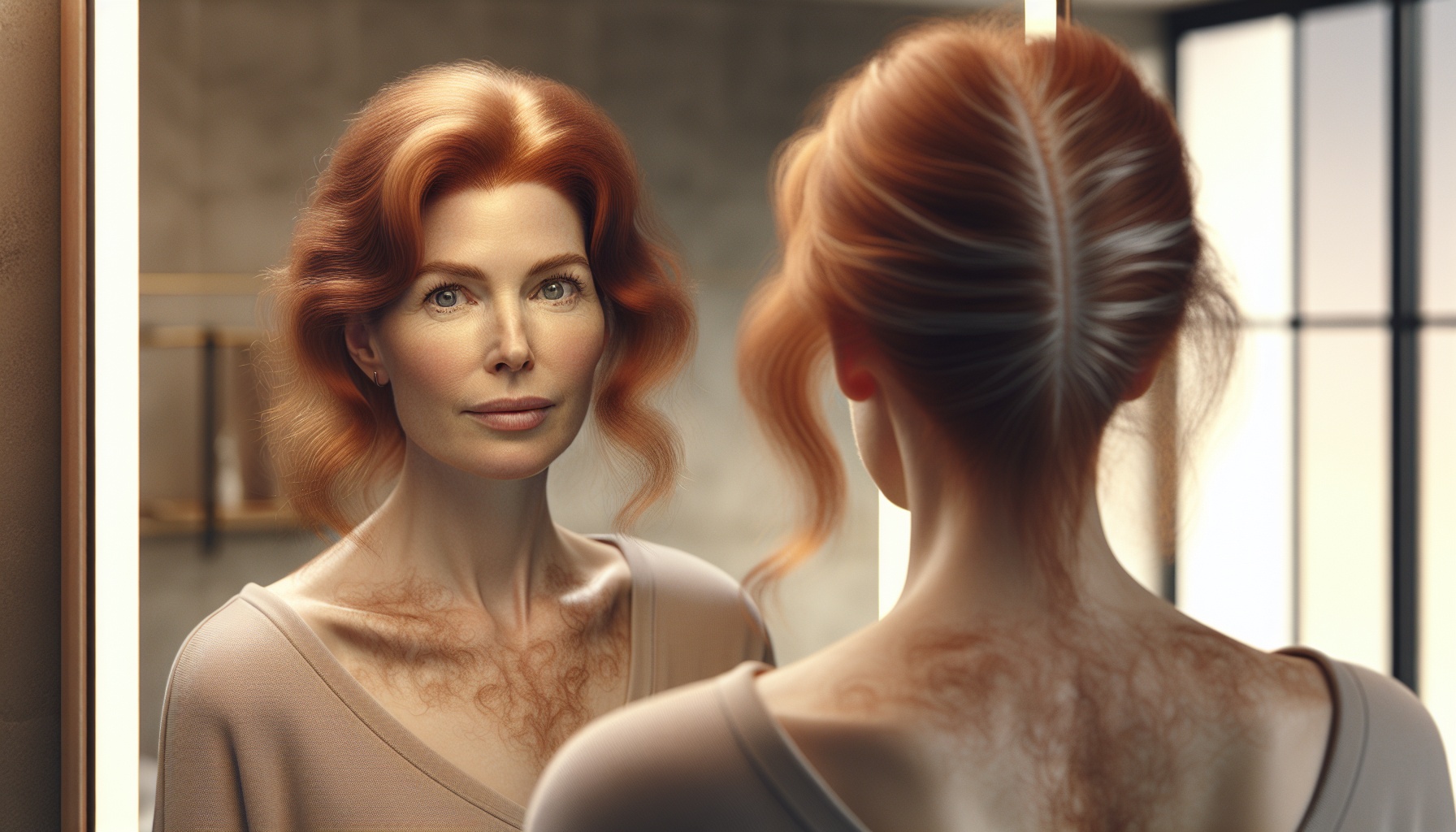
Healthy hair habits that help redheads age gracefully, not dull
Think of your scalp as the soil your ginger strands grow from: if it’s healthy, your color—natural or enhanced—looks brighter, not flat. Aim for gentle, sulfate-free shampoos and lukewarm water; hot showers rough up the cuticle and make copper tones look frizzier and dull. Because redheads often have drier, more fragile hair, work in a weekly deep-conditioning mask with ingredients like ceramides or shea butter to keep light reflecting off the hair surface. UV is the enemy of vibrant red, so wear hats and use hair products with UV filters, especially if you already baby your skin with SPF. Finally, support your follicles from the inside: protein, iron, omega-3s, and B12 all help hair age thicker, shinier, and more ginger-glowy, even as the shade shifts.
Conclusion
So, do redheads go grey? Yes—but not in the classic, dramatic way most people imagine. Because ginger hair is powered by pheomelanin, it usually moves through a slow color shift: copper softens to strawberry blonde, individual strands can look beige or translucent, and only later do true silvers join the mix. Genetics, age, and sun exposure help decide how and when this happens, but the process is typically gradual and uniquely beautiful.
The real takeaway: your red hair doesn’t suddenly “disappear”; it evolves. Whether you choose to protect it, enhance it at the salon, or proudly rock every new shade, your ginger journey is yours to define. Notice the changes, care for your hair, and let each phase be part of your story.
Frequently Asked Questions
- Do redheads actually go grey, or does our hair just fade over time?
- Redheads *can* go grey, but it usually looks different from what you see with brunettes or blondes. Most natural redheads don’t suddenly wake up with silver roots. Instead, our hair tends to go through a slow, unique fade.
Here’s what typically happens:
– Phase 1 – Bright ginger: Your natural copper, auburn, or strawberry blonde is going strong.
– Phase 2 – Softer red: The pigment (pheomelanin) in red hair starts to fade, especially from sun exposure and age. Your hair may look more muted or slightly lighter.
– Phase 3 – Strawberry blonde / light copper: Many redheads shift into a lighter, more golden shade instead of harsh grey.
– Phase 4 – White or silvery strands: Instead of that classic salt-and-pepper grey, redheads often develop white or silvery hairs mixed in with faded ginger or blonde.
So yes, redheads do go grey in the sense that pigment gradually disappears—but it often shows up as a soft transition to strawberry blonde, gold, or white, rather than a flat grey tone. That’s one of the perks of being a unicorn. - Why do redheads seem to go grey later than other hair colors?
- Redheads are dealing with a different kind of pigment than brunettes and blondes. Our hair color comes from pheomelanin, while brown and black hair come from eumelanin. As we age, the pigment cells in our follicles slowly stop producing color.
For a lot of redheads:
– The loss of pigment is gradual, so there isn’t an obvious switch from colored hair to grey.
– Instead of going from “ginger to grey,” most of us go from ginger → softer ginger → strawberry blonde → white.
– Because those stages are subtle, people often say redheads “age slower” or “never go grey”—what’s really happening is a gentler, slower fade.
Genetics also play a big role. If your redheaded relatives held onto their color for a long time or only went noticeably white later in life, there’s a good chance you’ll follow a similar pattern. - At what age do most redheads start noticing changes in their hair color?
- There’s no universal age, but there *are* common patterns.
Many natural redheads notice:
– Late 20s to 30s: Slight fading—your copper might look a bit softer or less vivid in certain light. Friends may not see it, but you do.
– 30s to 40s: More noticeable lightening, especially around the face and ends. Some strands might look more golden, strawberry blonde, or even light brown.
– 40s to 60s: White or silvery hairs begin to appear, often at the temples or part line first. But because they’re mixing into lighter red or blonde, they’re less dramatic.
Some redheads stay visibly ginger into their 60s or beyond; others start lightening earlier. Family history, sun exposure, and overall health can all influence when and how fast your red fades. - What color does red hair usually turn instead of classic grey?
- Red hair doesn’t usually jump from bold copper to flat grey. It tends to morph through a few softer shades:
– Muted or dusty red: Your bright ginger softens and looks a bit less intense.
– Strawberry blonde: This is super common—your red and blonde tones blend, especially in natural light.
– Warm golden or light blonde: Over time, as more pigment disappears, the hair can look more golden or beige blonde.
– White or pearl-like: Finally, many redheads end up with hair that’s more white than grey, often with a natural warmth that keeps it from looking dull.
Because of this, a lot of older redheads are told they have “beautiful blonde” or “soft white” hair, even though they started out pure ginger. It’s basically the redhead version of going grey—but prettier and more gradual. - Is there anything redheads can do to keep their natural ginger color longer?
- You can’t completely stop your genes, but you *can* slow down fading and keep your color richer for longer with a few smart habits:
1. Protect from the sun
Red hair pigment is fragile, and UV light bleaches it fast.
– Wear hats or caps during peak sun hours.
– Use a UV-protectant hair spray or leave-in (look for “UV filter” on the label).
2. Be gentle with washing and heat
– Avoid washing your hair every day; aim for 2–3 times per week if you can.
– Use lukewarm, not hot, water—heat lifts cuticles and speeds up fading.
– Turn down the heat on styling tools and always use a heat protectant.
3. Choose color-safe, red-friendly products
– Look for sulfate-free shampoos and conditioners that are safe for color-treated hair, even if your hair is natural.
– Try red-boosting or color-depositing masks in copper or auburn tones to enhance what you already have (just choose subtle formulas, not full-on dye, if you want a natural look).
4. Nourish from the inside
Healthy hair holds onto pigment better:
– Eat a balanced diet with protein, iron, B vitamins, and omega-3s.
– Stay hydrated, manage stress, and get enough sleep—your hair absolutely notices.
You can’t freeze time, but with these habits your ginger will age more like a slow fade filter, not a harsh before-and-after. - How can redheads transition gracefully if we start seeing more white or faded hair?
- If you’re a redhead watching your hair fade, you’ve got some beautiful options that still honor your ginger roots:
1. Embrace the natural shift
Leaning into the strawberry blonde or white stage can look stunning.
– Get a soft, layered cut to blend new tones.
– Ask your stylist for warm-gloss treatments (clear or slightly tinted) to add shine without heavy dye.
2. Boost what you’ve got without fully dyeing
– Try semi-permanent copper or auburn glosses to warm up your faded red; they gradually wash out.
– Use tinted conditioners or masks once a week to gently refresh tone.
3. Blend white hairs instead of hiding them
– Ask for fine, warm lowlights (not chunky streaks) in soft copper or caramel to mix with white strands.
– Avoid flat, ashy browns—they can fight with your natural undertones and make skin look dull.
4. Coordinate with your brows and freckles
– If your brows are very light, a soft ginger or taupe brow pencil/gel can balance faded hair.
– Warm-toned makeup (peach, coral, bronze) helps keep that classic “ginger glow,” even as your hair lightens.
The goal isn’t to pretend your hair isn’t changing—it’s to work with your natural redhead undertones, so the transition looks intentional and flattering. - Do redheads need to change their haircare routine as we start to lose pigment?
- Yes. As red hair loses pigment, the texture and needs of your hair can change, so it’s smart to tweak your routine.
Here’s what to pay attention to:
1. Dryness and coarseness
As pigment fades, hair can feel drier or more brittle.
– Switch to a more hydrating shampoo and conditioner.
– Add a weekly deep-conditioning mask or oil treatment to keep ends soft.
2. Frizz and lack of shine
Lighter, faded hair sometimes looks dull.
– Use a lightweight hair oil or serum on mid-lengths and ends.
– Try a gloss or shine spray (avoid heavy silicone overload if your hair is fine).
3. More visible whites
White hairs can be wiry.
– A smoothing cream or leave-in conditioner can help them blend in better.
– Regular trims keep wiry ends from sticking out.
4. Color maintenance, even for naturals
– Consider color-safe products and gentle, red-enhancing treatments to keep tone warm.
– If you swim often, use a clarifying shampoo occasionally (follow with a deep conditioner) to remove minerals and chlorine that can make faded red look brassy.
Think of it this way: your red hair is evolving, and your routine should evolve with it—focusing on moisture, softness, and keeping that warm, flattering tone as long as possible.